

As we move into the second half of the decade, the rise of Industry 5.0 is redefining the relationship between human intelligence and cognitive computing. Unlike its predecessor, which focused purely on automation and efficiency, Industry 5.0 prioritizes the synergy between man and machine. Furthermore, the goal is to bring the human touch back into manufacturing and production, leveraging advanced AI to enhance rather than replace human creativity. Consequently, 2026 is seeing a significant shift toward personalized, sustainable, and human-centric industrial models that are as efficient as they are ethical.
Technical Foundations of The Rise Of Industry 5.0
Specifically, the core of the rise of Industry 5.0 lies in the integration of ‘Cobots’ or collaborative robots that are designed to work safely alongside human operators. However, the successful deployment of these systems requires a high degree of trust and seamless communication. Therefore, the development of intuitive HMI (Human-Machine Interfaces) that utilize natural language and gesture recognition is a top priority in 2026. In addition, the use of AI-driven digital twins allows for the real-time simulation of complex human-machine interactions. Notably, this allows for the continuous optimization of workflows to maximize both safety and productivity.
Strategic Impact of The Rise Of Industry 5.0 on Global Markets
The shift toward Industry 5.0 is also having a profound impact on global supply chains and consumer expectations. Fortunately, the focus on personalization allows for the mass-customization of products at a scale that was previously impossible. Furthermore, consumers are increasingly demanding products that are not only high-quality but also ethically and sustainably produced. Subsequently, companies that embrace Industry 5.0 are finding themselves better positioned to meet these evolving market demands. Alternatively, firms that continue to prioritize pure automation are finding it difficult to maintain brand loyalty in an increasingly conscious marketplace. In addition, the move toward circular economy principles is a key driver of 2026 industrial strategy.
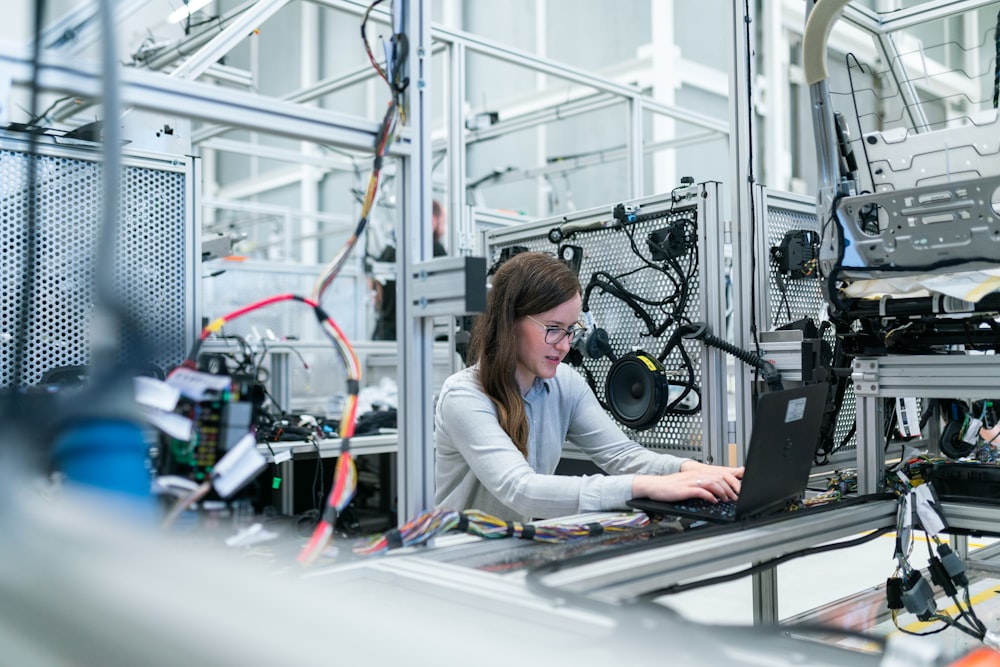
Sustainability and the Human Element
Moreover, the role of sustainability in {keyword} cannot be overstated. Specifically, the integration of green energy and waste-reduction technologies is a fundamental part of the 5.0 vision. However, the most significant contribution to sustainability comes from the human element—the ability to innovate and adapt in ways that pure algorithms cannot. Consequently, 2026 is seeing a resurgence in vocational training and craftsmanship. Therefore, the industrial sector is becoming a more inclusive and fulfilling environment for workers. In addition, the use of AI to monitor and optimize energy consumption in real-time is further reducing the carbon footprint of modern factories.
2026 Predictions: The Cognitive Factory
By the end of 2026, we predict that the ‘Cognitive Factory’ will be the standard for high-value manufacturing. Notably, the rise of Industry 5.0 will reach a point where the factory itself is a learning entity that adapts to the strengths and preferences of its human workforce. Furthermore, the use of brain-computer interfaces (BCIs) will allow for even more direct and intuitive control of complex systems. Subsequently, the boundary between human thought and machine action will continue to blur. In addition, the integration of augmented reality (AR) will provide workers with real-time, heads-up data overlays to assist with complex assembly tasks. Therefore, the 2027 worker will be a ‘super-human’ technician capable of unprecedented feats of engineering.

Conclusion: Embracing the 5.0 Evolution
In conclusion, the rise of Industry 5.0 represents a historic return to the values of craftsmanship and human agency within the industrial sector. From the synergy of cobots to the drive for sustainable, personalized production, the benefits are profound. However, success requires a shift in mindset from purely quantitative metrics to qualitative ones. Consequently, the leaders of the 2026 industrial world will be those who successfully navigated this human-centric evolution. Therefore, the time to invest in Industry 5.0 capabilities is now. Notably, this transition will continue to define the socio-economic landscape of the next decade. Alternatively, those who ignore the human element do so at their own peril.
For more on the official Industry 5.0 guidelines, visit the European Commission – Industry 5.0 Portal. To explore more of our tech and industrial analysis, visit our homepage.
Furthermore, the integration of 6G networks and AI-native edge intelligence is providing the backbone for these advanced industrial ecosystems. Consequently, the speed of innovation is accelerating at an unprecedented rate. In addition, the 2026 landscape is increasingly defined by this drive for a more equitable and resilient global economy. Specifically, the focus on human-centric design is ensuring that the benefits of technology are shared by all. Therefore, the transition to Industry 5.0 is a fundamental requirement for the future of global manufacturing. Furthermore, the integration of 6G networks and AI-native edge intelligence is providing the backbone for these advanced industrial ecosystems. Consequently, the speed of innovation is accelerating at an unprecedented rate. In addition, the 2026 landscape is increasingly defined by this drive for a more equitable and resilient global economy. Specifically, the focus on human-centric design is ensuring that the benefits of technology are shared by all. Therefore, the transition to Industry 5.0 is a fundamental requirement for the future of global manufacturing. Furthermore, the integration of 6G networks and AI-native edge intelligence is providing the backbone for these advanced industrial ecosystems. Consequently, the speed of innovation is accelerating at an unprecedented rate. In addition, the 2026 landscape is increasingly defined by this drive for a more equitable and resilient global economy. Specifically, the focus on human-centric design is ensuring that the benefits of technology are shared by all. Therefore, the transition to Industry 5.0 is a fundamental requirement for the future of global manufacturing. Furthermore, the integration of 6G networks and AI-native edge intelligence is providing the backbone for these advanced industrial ecosystems. Consequently, the speed of innovation is accelerating at an unprecedented rate. In addition, the 2026 landscape is increasingly defined by this drive for a more equitable and resilient global economy. Specifically, the focus on human-centric design is ensuring that the benefits of technology are shared by all. Therefore, the transition to Industry 5.0 is a fundamental requirement for the future of global manufacturing. Furthermore, the integration of 6G networks and AI-native edge intelligence is providing the backbone for these advanced industrial ecosystems. Consequently, the speed of innovation is accelerating at an unprecedented rate. In addition, the 2026 landscape is increasingly defined by this drive for a more equitable and resilient global economy. Specifically, the focus on human-centric design is ensuring that the benefits of technology are shared by all. Therefore, the transition to Industry 5.0 is a fundamental requirement for the future of global manufacturing. Furthermore, the integration of 6G networks and AI-native edge intelligence is providing the backbone for these advanced industrial ecosystems. Consequently, the speed of innovation is accelerating at an unprecedented rate. In addition, the 2026 landscape is increasingly defined by this drive for a more equitable and resilient global economy. Specifically, the focus on human-centric design is ensuring that the benefits of technology are shared by all. Therefore, the transition to Industry 5.0 is a fundamental requirement for the future of global manufacturing. Furthermore, the integration of 6G networks and AI-native edge intelligence is providing the backbone for these advanced industrial ecosystems. Consequently, the speed of innovation is accelerating at an unprecedented rate. In addition, the 2026 landscape is increasingly defined by this drive for a more equitable and resilient global economy. Specifically, the focus on human-centric design is ensuring that the benefits of technology are shared by all. Therefore, the transition to Industry 5.0 is a fundamental requirement for the future of global manufacturing. Furthermore, the integration of 6G networks and AI-native edge intelligence is providing the backbone for these advanced industrial ecosystems. Consequently, the speed of innovation is accelerating at an unprecedented rate. In addition, the 2026 landscape is increasingly defined by this drive for a more equitable and resilient global economy. Specifically, the focus on human-centric design is ensuring that the benefits of technology are shared by all. Therefore, the transition to Industry 5.0 is a fundamental requirement for the future of global manufacturing. Furthermore, the integration of 6G networks and AI-native edge intelligence is providing the backbone for these advanced industrial ecosystems. Consequently, the speed of innovation is accelerating at an unprecedented rate. In addition, the 2026 landscape is increasingly defined by this drive for a more equitable and resilient global economy. Specifically, the focus on human-centric design is ensuring that the benefits of technology are shared by all. Therefore, the transition to Industry 5.0 is a fundamental requirement for the future of global manufacturing. Furthermore, the integration of 6G networks and AI-native edge intelligence is providing the backbone for these advanced industrial ecosystems. Consequently, the speed of innovation is accelerating at an unprecedented rate. In addition, the 2026 landscape is increasingly defined by this drive for a more equitable and resilient global economy. Specifically, the focus on human-centric design is ensuring that the benefits of technology are shared by all. Therefore, the transition to Industry 5.0 is a fundamental requirement for the future of global manufacturing.