

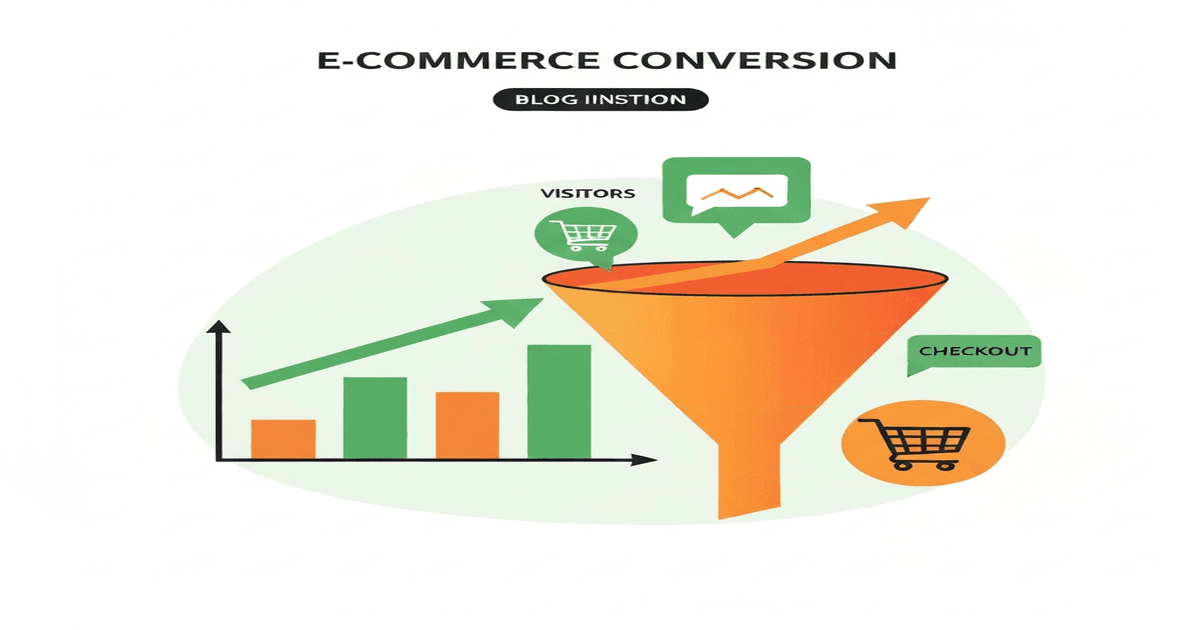
The average e-commerce conversion rate sits at 2.5-3%. That means 97 out of every 100 visitors leave without buying. Even a small improvement — from 2.5% to 3.5% — represents a 40% increase in revenue without spending a single additional dollar on traffic. Learning how to increase ecommerce conversion rate is the highest-ROI activity any online store can invest in.
I’ve managed e-commerce operations for brands generating $1M-$50M in annual revenue, including a 5-year stint as E-commerce Manager at Balfour & Co where we increased conversion rates by 35% through systematic optimization. These 15 tactics are what actually moves the needle.
How to Increase Ecommerce Conversion Rate: Product Pages
1. Write Benefit-Driven Product Descriptions
Most product descriptions list features. Buyers want benefits. “100% Egyptian cotton, 400 thread count” is a feature. “Sleep cooler and wake up without wrinkles” is a benefit.
Structure every description: hook (address a desire), benefits (3-4 bullets), social proof (review snippet), specs (for comparison shoppers), and a nudge (urgency or scarcity).
2. Use High-Quality Product Photography
Product images are the #1 factor in online purchase decisions. Minimum requirements:
- 6-8 images per product (multiple angles, lifestyle shots, detail close-ups)
- Zoom functionality on desktop and mobile
- Consistent white-background hero images + in-context lifestyle photos
- Video demonstrations for products over $50
- 360-degree views for high-consideration products
According to Shopify research, products with video see 85% higher add-to-cart rates than those without.
3. Display Reviews Prominently
93% of consumers read reviews before purchasing online. Place review summaries (star rating + count) above the fold, near the price. Display user-generated photos from reviews. Respond to negative reviews publicly. Products with 50+ reviews convert at 4.6% vs 2.6% for products with fewer than 5 reviews.
4. Add Trust Signals
- Money-back guarantee badge near the Add to Cart button
- Security badges (SSL, payment processor logos)
- Free shipping threshold clearly displayed
- Clear return policy linked on every product page
- “Customers also bought” social proof
Checkout Optimization
5. Simplify the Checkout Process
Every additional step in checkout loses 10-15% of shoppers. The ideal checkout:
- Single page or max 3 steps
- Guest checkout option (don’t force account creation)
- Auto-fill shipping address via Google Address Autocomplete
- Progress indicator showing where they are in the process
- Order summary visible throughout checkout
6. Offer Multiple Payment Options
7% of shoppers abandon carts because their preferred payment method isn’t available. At minimum offer:
- Credit/debit cards (Visa, Mastercard, Amex)
- PayPal
- Apple Pay / Google Pay
- Buy Now, Pay Later (Klarna, Afterpay, Affirm) — BNPL increases average order value by 20-30%
- Shop Pay (for Shopify stores)
7. Eliminate Surprise Costs
Unexpected shipping costs are the #1 reason for cart abandonment (48% of abandoned carts). Solutions:
- Show shipping costs on product pages, not just at checkout
- Offer free shipping above a threshold (display a progress bar in the cart)
- If you can’t offer free shipping, show flat-rate pricing upfront
- Include tax estimates before the final step
Site Speed and UX
8. Optimize Page Load Speed
A 1-second delay in page load reduces conversions by 7%. For a store doing $100K/month, that’s $7K lost to slow pages. Priority fixes:
- Compress all product images (WebP format, lazy loading)
- Use a CDN (Cloudflare, Fastly)
- Minimize third-party scripts (each chat widget, analytics tool, and popup adds weight)
- Target under 3 seconds on mobile
9. Fix Mobile Experience
Mobile accounts for 67% of e-commerce traffic but converts at half the rate of desktop. Close this gap:
- Thumb-friendly navigation (bottom nav bars, large tap targets)
- Sticky Add to Cart button that scrolls with the user
- Simplified mobile checkout (auto-fill everything possible)
- Test on actual devices, not just browser emulation
10. Implement Smart Search
Visitors who use site search convert at 2-3x the rate of non-searchers. Upgrade from default WordPress/Shopify search to:
- Algolia or Searchspring for instant, typo-tolerant results
- Visual search results with product images and prices
- Autocomplete suggestions as they type
- “No results” pages that suggest alternatives (never show a dead end)
Retention and Recovery
11. Set Up Abandoned Cart Recovery
70% of online shopping carts are abandoned. A 3-email recovery sequence recaptures 5-15% of those:
- 1 hour after: “You left something behind” — show cart contents, no discount
- 24 hours: Social proof angle — reviews of the abandoned products
- 72 hours: Offer a small incentive (5-10% off or free shipping)
Klaviyo and Omnisend make this setup straightforward for Shopify and WooCommerce.
12. Use Exit-Intent Popups
When a visitor moves to close the tab, trigger a popup with:
- First-time visitor discount (10% off for email signup)
- Free shipping offer
- Best-selling product recommendations
Exit-intent popups recover 2-4% of abandoning visitors when done well. Use OptinMonster or Privy.
13. Create Urgency (Authentically)
- Show real-time stock levels (“Only 3 left”)
- Countdown timers for genuine sales (never fake timers — it destroys trust)
- “X people are viewing this” notifications (use sparingly)
- Limited-time free shipping events
14. Personalize the Experience
- Show recently viewed products
- “Because you viewed X, you might like Y” recommendations
- Personalized homepage based on browsing history
- Email recommendations based on purchase history
Personalization increases conversion rates by 10-30% according to McKinsey research.
15. A/B Test Everything
Don’t guess — test. Priority A/B tests for e-commerce:
- Add to Cart button color and text
- Product page layout (image left vs. top)
- Price display format ($49.99 vs $50)
- Shipping threshold messaging
- Checkout page design (single page vs. multi-step)
Use Google Optimize (free) or VWO for A/B testing. Run tests for minimum 2 weeks or 1,000 visitors per variant for statistical significance.
Frequently Asked Questions
What’s a good ecommerce conversion rate to aim for?
The global average is 2.5-3%, but “good” depends heavily on your industry and price point. Fashion averages 2.7%, electronics 1.9%, health/beauty 3.3%. Rather than chasing an industry benchmark, focus on improving YOUR rate month over month. A 0.5% improvement is significant — on 50,000 monthly visitors, that’s 250 extra orders.
What’s the single most impactful change to increase conversions?
Reducing checkout friction. Specifically, adding guest checkout if you require account creation, and displaying all costs (shipping, tax) before the final checkout step. These two changes alone typically produce a 15-25% reduction in cart abandonment, which directly translates to more completed purchases.
How do I measure ecommerce conversion rate accurately?
Set up Enhanced E-commerce tracking in Google Analytics 4 (GA4). Track the full funnel: product views → add to cart → checkout initiation → purchase completion. This reveals exactly where you’re losing shoppers. Segment by device (mobile vs desktop), traffic source, and new vs returning visitors for actionable insights.
Start Optimizing Today
You don’t need to implement all 15 tactics at once. Start with the three highest-impact items: simplify checkout, fix mobile experience, and set up abandoned cart emails. These three changes consistently deliver the biggest conversion lifts with the least effort.
Want a professional conversion rate audit for your e-commerce store? Reach out — I’ll analyze your funnel, identify the biggest drop-off points, and give you a prioritized optimization roadmap.
Explore my e-commerce management and optimization services.